Dubrovnik Day Tours
I’m Serious Day Tour Man AI, your day trip expert. Ask me anything — where to go, how to get there, and what’s actually worth your day.
Dubrovnik’s day trips cross more borders than most cities’ do. Montenegro’s fjord-like bay is two hours south, and Mostar’s rebuilt bridge is three hours inland in Bosnia — both come with passport queues, priced honestly below. The near water offers the opposite: a forested island ten minutes off the old port, and an archipelago where cars barely exist. An hour up the coast, Europe’s second-longest walls guard an oyster village.
The city itself needs crowd planning more than any other on the Adriatic. The cruise-port schedule decides what your day feels like, so it appears more than once below.
Here’s what’s worth a day, with real times and honest trade-offs.

Popular Day Trips
Kotor
The Border Honesty, the Bay
Mostar
The Border Budget, the Rebuilt Bridge
Lokrum
Fifteen Minutes to an Island Nobody Sleeps On, the Salt Lake Swim
Cavtat
The quiet bay where the Riviera exhales
Lokrum — Ten Minutes to the Forest
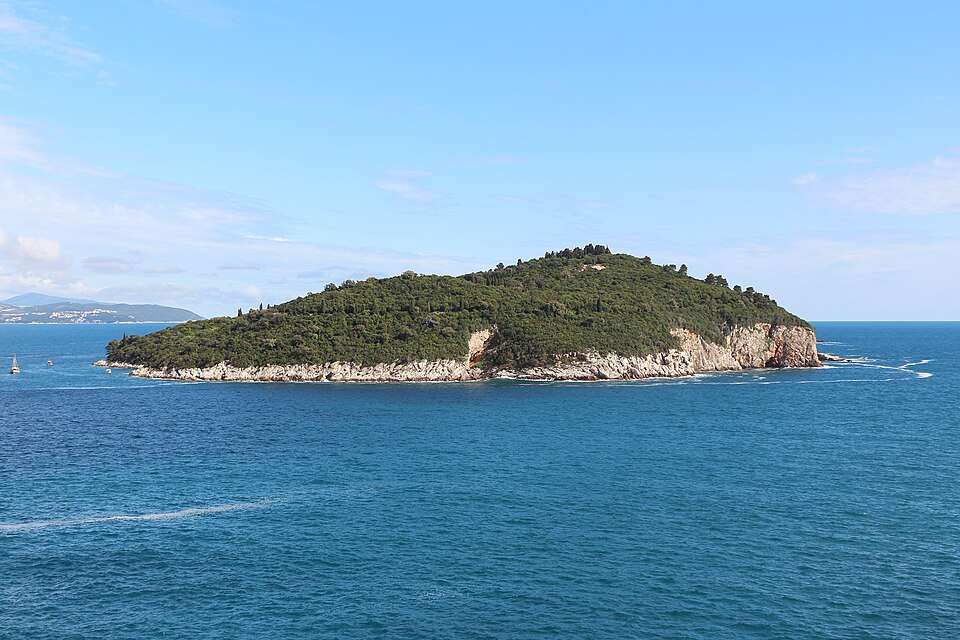
Ferries cross from the old port to Lokrum in ten minutes. The contrast is the point: a whole forested island reserve where Benedictine monks once gardened, where Habsburg archduke Maximilian built his holiday cloister, and where the descendants of his imported peacocks now patrol the paths.
The program: swim off the flat rocks — the “Dead Sea” lagoon on the far side is the sheltered option — walk the botanical gardens, and climb to the fort viewpoint that looks back at the city walls. Game of Thrones fans will find the throne replica in the monastery; the photo is free.
Practical notes: no overnight stays, so the island empties beautifully in late afternoon before the last ferries — those are the best hours. Smoking is banned island-wide after past fires. Every guide retells the legend of the Benedictines’ curse with relish. Half a day, minimal cost.
Read the full Lokrum day-trip page.
The Elaphiti Islands & Cavtat — The Boat Days
The Elaphiti islands run northwest: Koločep, Lopud, and Šipan, the three inhabited ones, nearly car-free and pine-scented. Lopud is the pick — no cars at all, a curving harbor promenade, the restored Rector’s Palace gardens, and Šunj beach across the island, one of the Adriatic’s few true sand beaches, reached by a flat 25-minute walk or a golf-cart shuttle.
Two formats. The public Jadrolinija ferries island-hop cheaply for independent travelers. The “three islands” excursion boats package the archipelago with lunch aboard — fish grilled on the better ones. Choose by temperament: one island done slowly on the ferry, or three islands sampled from a boat rail.
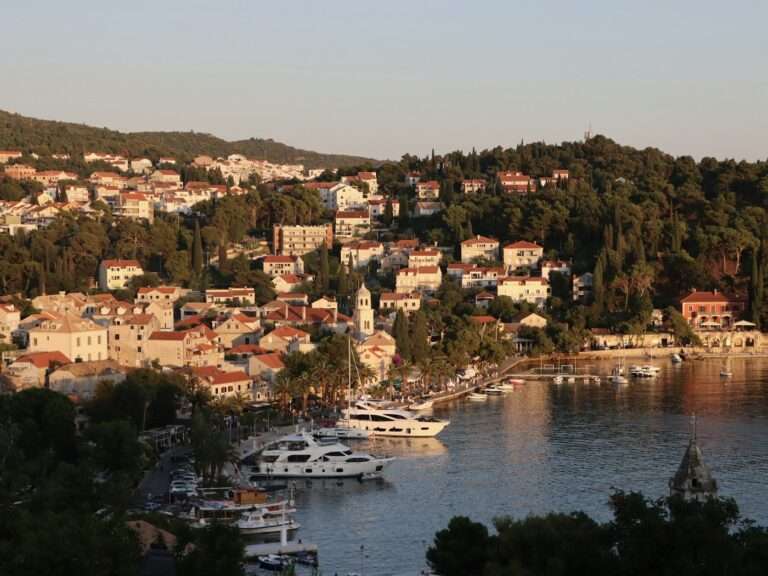
Cavtat is the alternative direction: 45 minutes south by boat to the peninsula town where Dubrovnik’s nobility summered. A horseshoe harbor, the Račić mausoleum on its cypress hill, and a seafront lunch scene that beats the old town’s on both price and calm. Either option makes the right recovery day after the walls.
Kotor & Montenegro — The Border Math
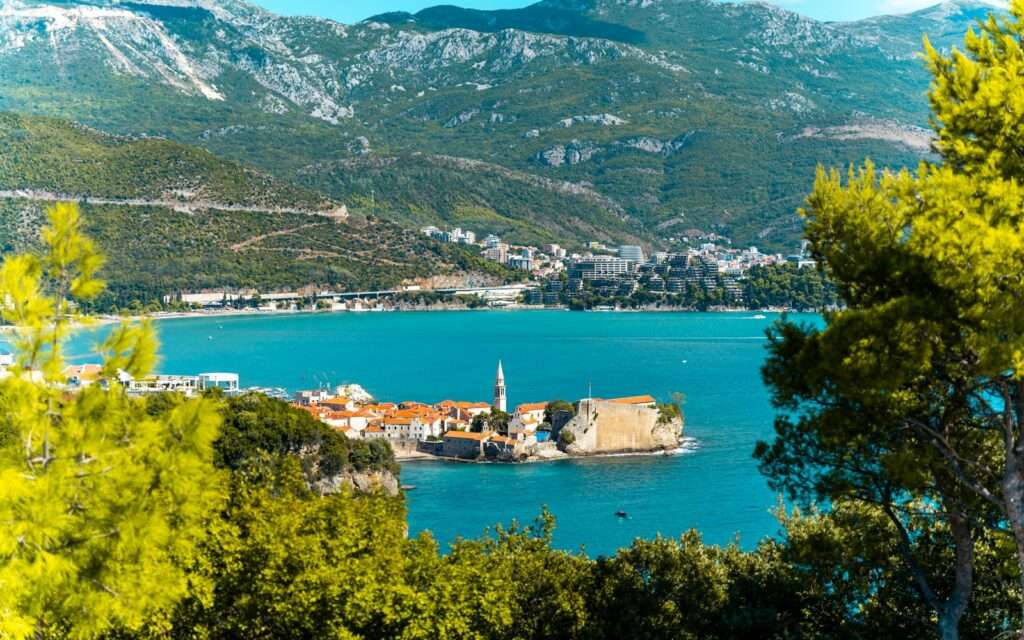
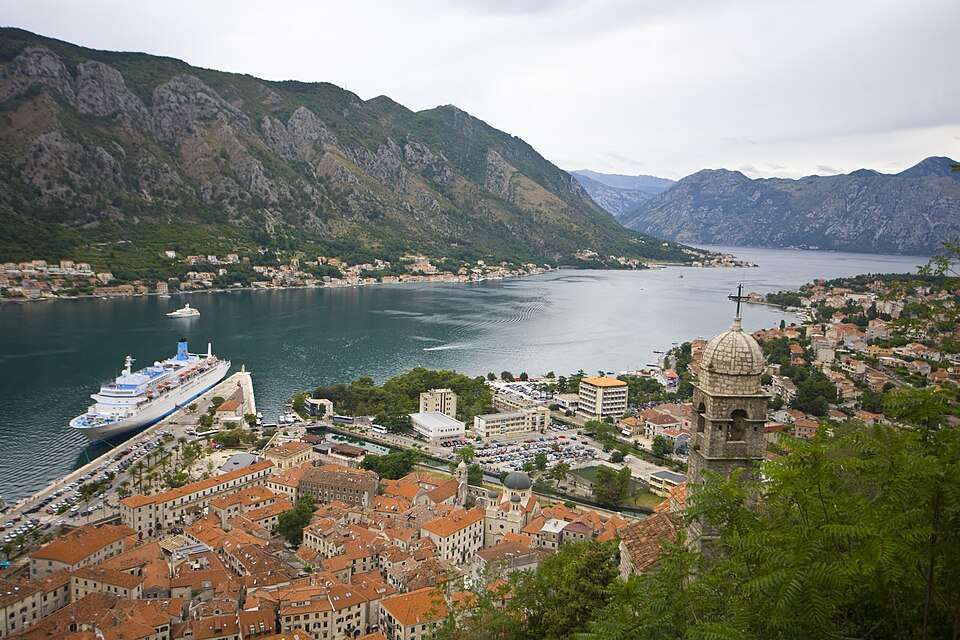
The Bay of Kotor looks like Europe’s southernmost fjord, whatever the geologists say: mountains dropping straight into a branching gulf, with Kotor’s walled old town at its deepest point. The ladder of fortifications climbs 1,350 steps to St John’s fortress above the town, and the bay view from the top is worth every step. Tours add Perast and a short boat to Our Lady of the Rocks, the artificial island church built up from centuries of scuttled stones and votive silver — the bay’s best story.
Now the math. There are two border crossings, and summer queues swing from twenty minutes to two-plus hours with no appeal. That makes the day nine to eleven hours door to door. Early departures beat the coach wave at the frontier, passports are mandatory, and the realistic itinerary is the bay plus Kotor — not the whole-Montenegro sampler some brochures promise.
It’s worth it. The bay is the single most dramatic landscape within reach of Dubrovnik. It’s just not close, whatever the map implies.
Read the full Kotor day-trip page.
Mostar — The Bridge and the Weight
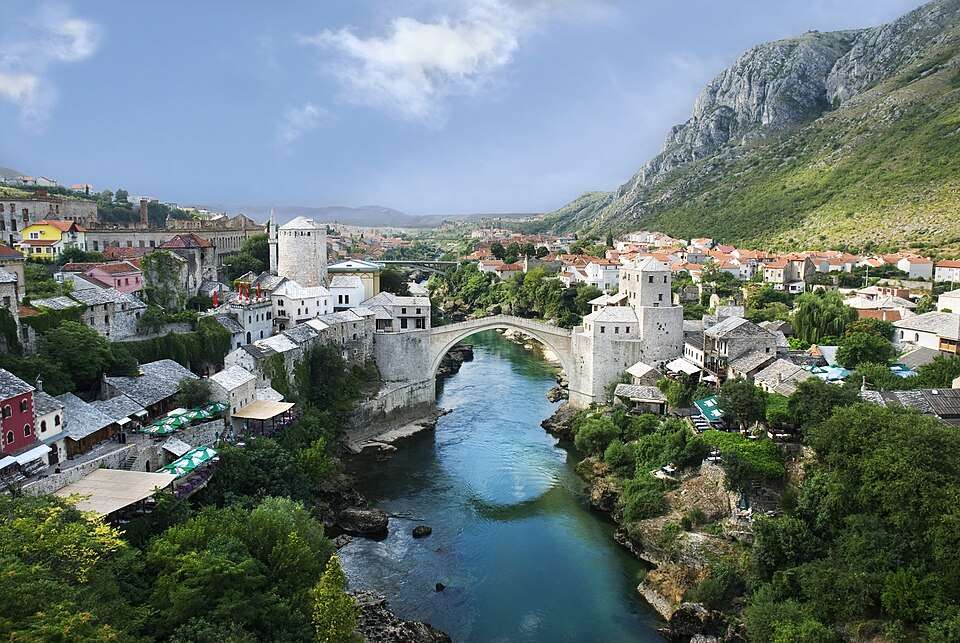
Mostar sits three hours inland in Bosnia and Herzegovina, with a border crossing that runs milder than Kotor’s on most days. The Stari Most — the Ottoman bridge of 1566 — was destroyed on camera in 1993 during the war and rebuilt stone by stone by 2004, a UNESCO reconstruction that stands as the city’s statement of intent.
The visit: the bridge and its divers — the local club leaps the 24 meters for gathered tips, a tradition running centuries, and the collection comes before the jump — plus the Ottoman old town’s bazaar lanes, a Turkish-house museum, and burek or ćevapi for lunch at half Croatian prices.
Take the history seriously here. Shelled buildings still stand a street away from the polished core, the division of the city remains a lived fact, and a guide who explains it with care turns a photo stop into the day’s substance. It’s nine-plus hours door to door, and it rewards travelers who go for the history far more than those who go only for the bridge photo.
Read the full Mostar day-trip page.
Ston & Pelješac — Walls, Oysters, Wine
An hour north, Ston guards the Pelješac peninsula behind the longest fortification walls in Europe after the Great Wall of China: 5.5 kilometers of 14th-century ramparts climbing the hill between Ston and Mali Ston. They were built to protect what still operates below — salt pans working since Roman times, and the oyster beds.
The eating is the reason to go. Mali Ston’s bay grows the European flat oyster in conditions the EU protects by name. Eat them off the boat-side farms or in the village konobas with nothing but lemon: the freshest oyster experience on the continent, at village prices.
Then the peninsula. Pelješac is Croatia’s big-red wine country — Dingač and Postup, the steep seaside slopes where Plavac Mali ripens into the national flagship — with cellar tastings strung along the road toward Orebić. From there a ferry hops to Korčula, Marco Polo’s claimed birthplace; the claim is cheerful Venetian-era marketing, and the walled town is genuinely lovely regardless. Walls climbed, oysters eaten, Dingač tasted — no day near Dubrovnik feeds you better.
The Walls, the Crowds & the City Itself
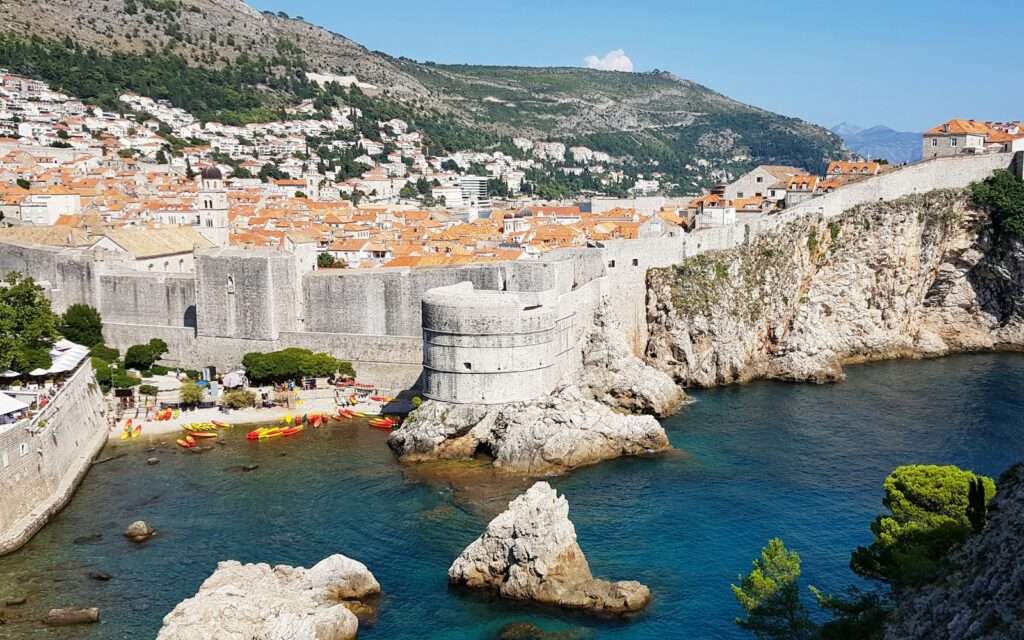
The walls are the essential two hours and the most crowd-sensitive ticket on the Adriatic. The loop is one-way, shadeless, and 1,190 steps, shared with every cruise passenger in port. The rules: check the port schedule and adjust if multiple ships are in; walk at opening or in the last window before close; carry water in summer; and if the Pile entrance is mobbed, enter at Ploče or the Maritime Museum instead — same ticket, shorter line. Buy tickets from the official Society of Friends of Dubrovnik Antiquities shop; the same ticket also covers Fort Lovrijenac. If you plan to see even one museum, the Dubrovnik Pass costs about the same as a walls ticket and adds the museums and public buses.
The cable car up Srđ gives the aerial counterpart — sunset is the slot — and the Homeland War museum in the fort at the top tells the 1991–92 siege from the ridge the shells came down from. The walls below still show patched scars, and War Photo Limited in the old town completes that education with force. The siege is living memory here, and guides who lived it tell it best. The Game of Thrones tours — King’s Landing was filmed on these exact streets — coexist with that history in a balance the city has managed better than you’d expect. Take the GoT tour without guilt, and the history tour without skipping.
The rest: swim off the rocks at the Buža bars, literal holes in the seaward wall with ladders into the open Adriatic — the city’s best trick. Sea kayaking rounds the walls and Lokrum at water level; the sunset departures are the ones. And eat two streets up from the main drag, or one boat over in Cavtat — the Stradun-adjacent restaurants price for cruise traffic. July and August are beautiful, hot, and saturated. May–June and September–October are the connoisseur’s months, and the walls at 8 a.m. in October are close to a private city.
Frequently Asked Questions
How do you avoid the crowds on Dubrovnik’s walls?
Check the cruise-port schedule, then walk at opening or in the last window before close — and use the Ploče or Maritime Museum entrance when Pile is mobbed. The loop is one-way and shadeless, so summer means water and a hat regardless.
Is Kotor worth the border crossing?
Yes — the bay is the most dramatic landscape in reach — but price the day honestly: border queues swing from minutes to hours, making it nine-plus hours total. Early departures win.
Is Mostar a day trip from Dubrovnik?
A long one — three hours each way plus a border — and best for travelers who want the history, not just the bridge photo. A guide who explains the war and the rebuilt Stari Most makes the day.
Where should you eat oysters near Dubrovnik?
Mali Ston, an hour north — European flat oysters straight off the farms, at village prices, under Europe’s longest walls after the Great Wall. Pair with Pelješac’s Dingač reds for the full day.
Is Lokrum worth visiting?
The best half day in the city’s reach — ten minutes by ferry to a car-free forest island of peacocks, swimming rocks, and monastery gardens. Late afternoons, after the excursion wave, are its best hours.